We rented a camper van, packed far too much, changed plans halfway through... and ended up having one of our favourite family trips yet.
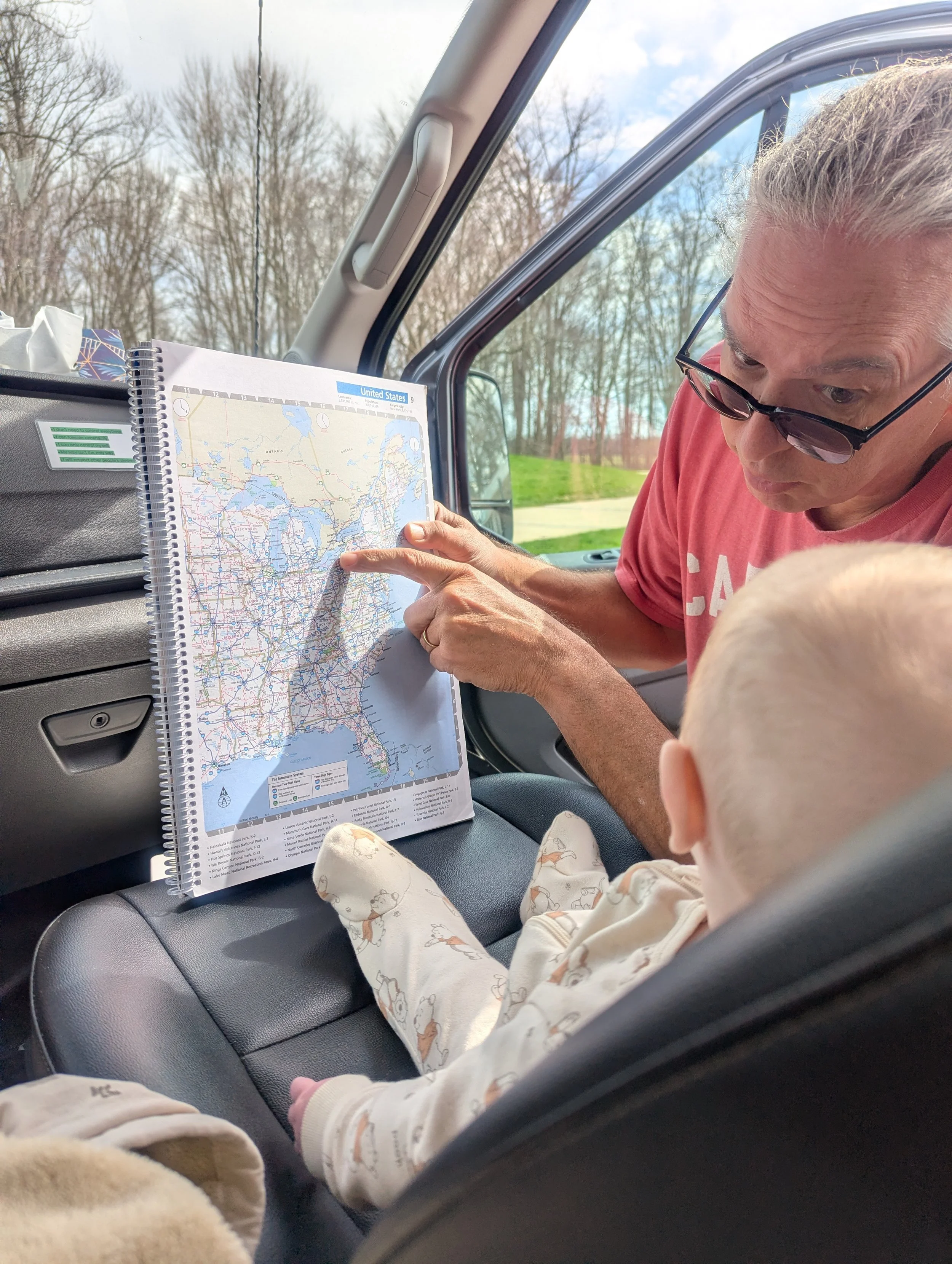
We Thought We Had Planned the Perfect Road Trip
On paper, our road trip looked perfect. A cute camper van. No hotels booked. Complete freedom to stop wherever we wanted. Eight days exploring together with my parents and six-month-old Parker. It was exactly the kind of flexible family adventure we'd imagined. There was just one problem... reality looked a little different.
The day before we left, I had my cast removed after breaking my ankle. I was excited to finally be walking again, but also nervous about spending a week climbing in and out of a camper van while looking after a baby.
I also worried about the long driving days.
Would Parker hate the car seat?
Would we constantly be trying to entertain him?
Would any of us actually sleep?
As it turned out...those weren't even our biggest challenges.
Our Route
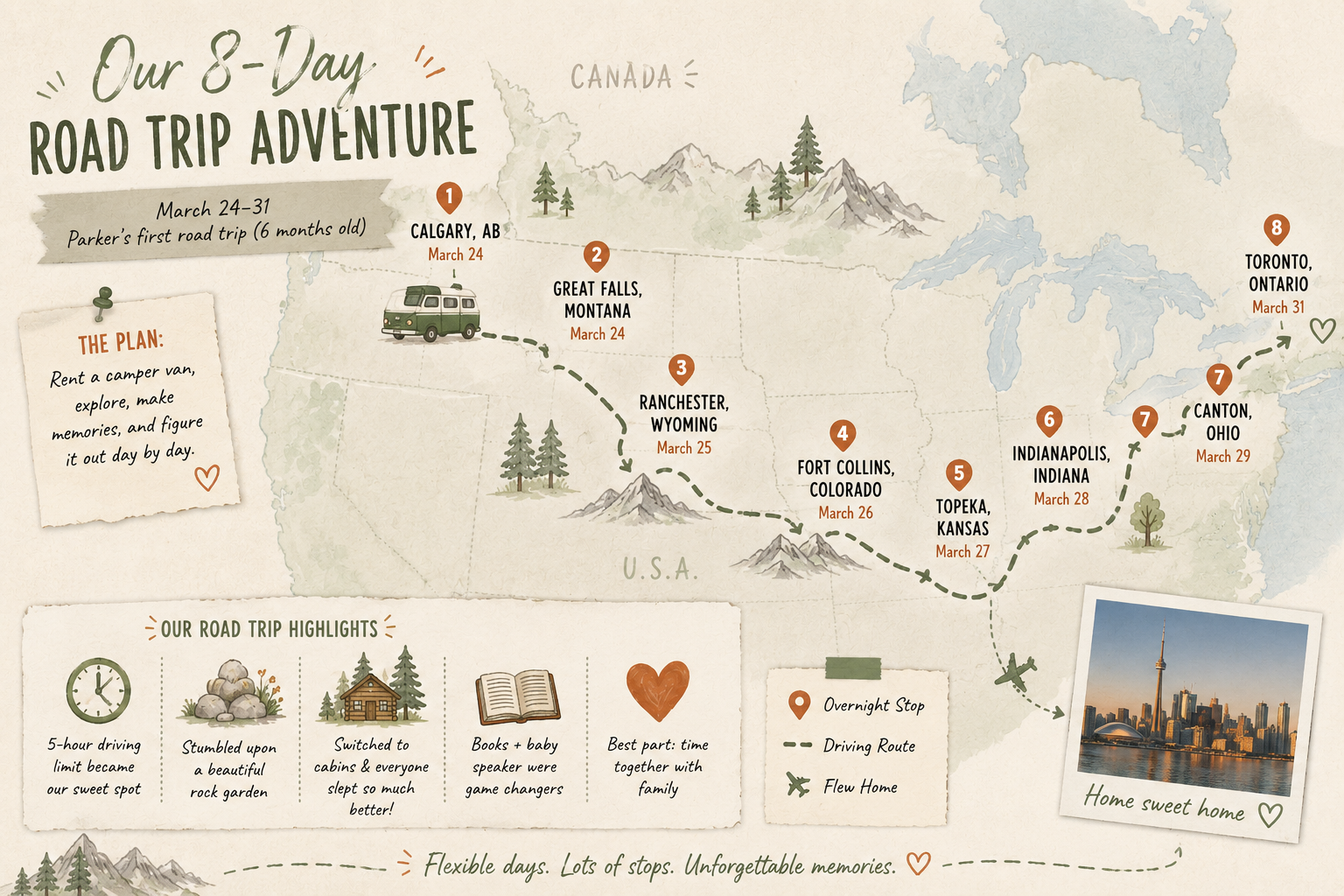
One of the best decisions we made was not booking accommodation in advance. Instead, we simply picked a direction and drove. Every afternoon we'd decide whether to stop or keep going. That flexibility ended up completely changing the trip.
💡 Little Parker Tip: Flexibility was far more valuable than having every night planned in advance.
The 5-Hour Rule
Before leaving, we had absolutely no idea how long Parker would happily stay in the car, by day two... we knew. About five hours. Not five hours without stopping. Five total hours of driving for the day. Could we have pushed him longer? Probably. Would anyone have enjoyed it? Definitely not.
Instead, we started structuring our days around what Parker needed instead of what Google Maps suggested.
Most days looked something like this:
Drive during his long morning nap.
Stop for an attraction and lunch.
Feed and diaper change.
A couple shorter driving sessions in the afternoon.
Reach our destination before everyone was exhausted.
It completely changed the pace of the trip. And honestly... it made it much more enjoyable.
We Learned to Stop for Experiences, Not Just Fuel
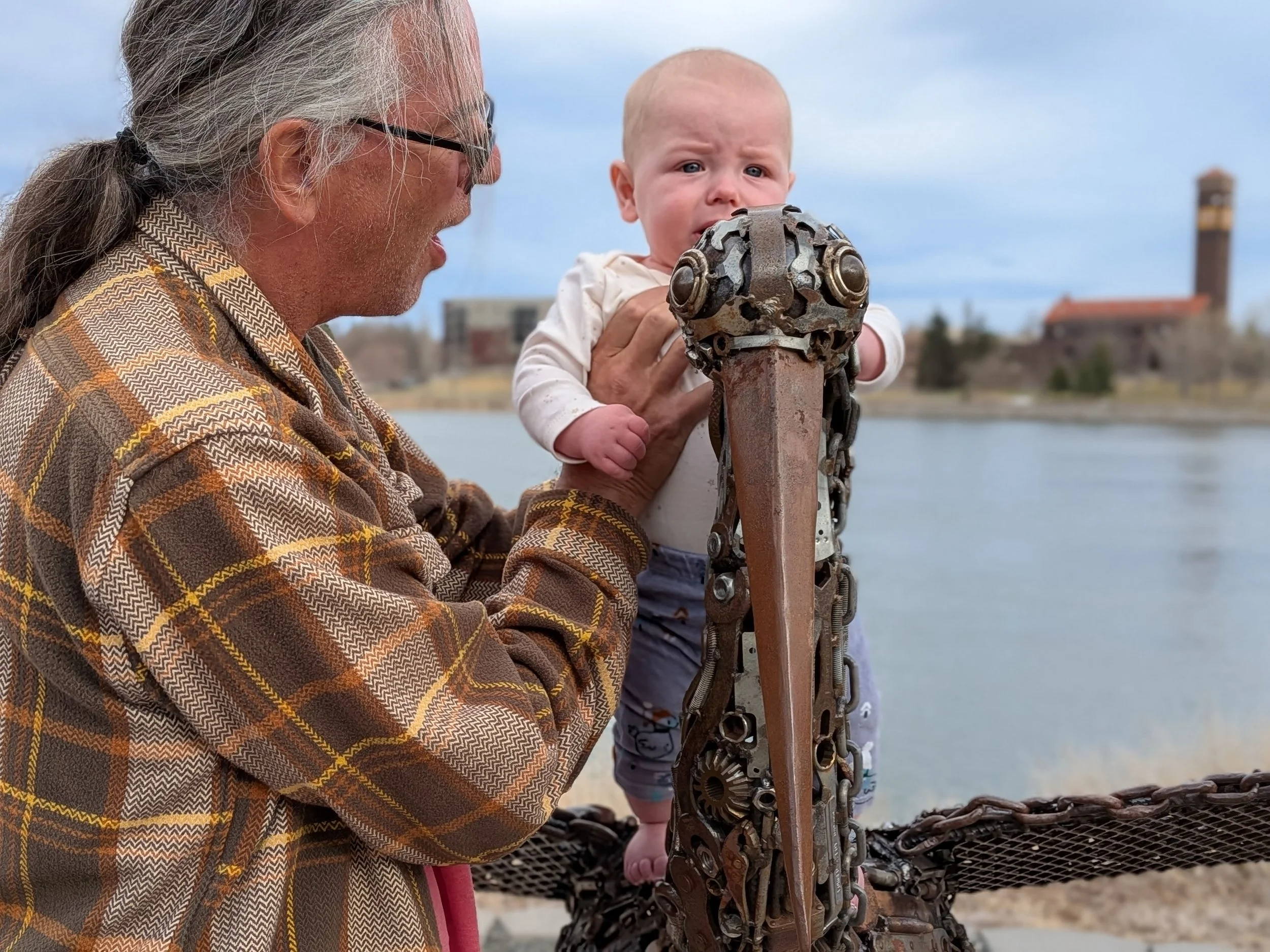
One of my favourite memories wasn't something we'd planned. We stumbled across a little rock garden completely by accident. It's funny how often those unexpected stops become the ones you remember most.
Because we hadn't locked ourselves into hotel reservations, there was never any pressure to rush. Sometimes we'd stop for over an hour to explore somewhere interesting and eat lunch. Other times it was simply twenty minutes to stretch, feed Parker, and change a diaper.
The freedom to choose was one of my favourite parts of the trip.
The Camper Van We Loved... Until Bedtime
We rented our camper van from Karma Campers. When we first picked it up, we loved it. It looked amazing. It felt like exactly the adventure we'd imagined.
During the day... it was. Then bedtime arrived.
The van had two sleeping areas stacked above each other. The top bunk was too cramped for nighttime feeds or diaper changes with a baby. With us on the lower bed, the upper bed became so cramped that my parents couldn't sleep comfortably either. Every bedtime became a game of trying not to wake everyone else.
Transfers were the hardest part. I'd finally get Parker asleep... Carefully move him toward his bassinet... and he'd wake up screaming.
One night we reached our breaking point. After hours of trying... we simply packed everything up and left at 5:00 a.m. Not because we wanted an early start. Because nobody was sleeping anyway.
The Decision That Saved the Trip
The next day my dad suggested something none of us had originally planned.
"Let's rent a cabin."
I'll admit... part of me felt guilty. We'd pictured this perfect camper van adventure. Renting a cabin almost felt like admitting we'd failed. It took about one night to realize we'd actually done the opposite.
Parker and I slept inside the cabin.
My parents slept in the camper van parked outside.
Everyone... and I mean everyone... slept amazingly. The difference was immediate. I no longer worried about waking my parents every time Parker stirred. My dad finally got the uninterrupted sleep he needed before another day of driving. Instead of feeling exhausted every morning... we actually looked forward to the next day.
💡 Little Parker Tip: Sometimes the best travel decision is changing the original plan.
Giving Yourself Permission to Adapt
Looking back, I don't think renting the camper van was a mistake. If we'd given up after the very first difficult night... we probably would have concluded that camper vans simply don't work with babies. Instead, we kept experimenting. We adjusted. We found a setup that worked for our family.
Ironically, that flexibility became one of the biggest lessons from the entire trip. Travel with a baby isn't about sticking perfectly to Plan A. It's about being willing to create Plan B.
Keeping a Baby Happy on Long Driving Days
Before we left, I assumed the hardest part of the trip would be finding enough things to keep Parker entertained. I wasn't entirely wrong. At six months old, he was curious about everything - but only for a little while.
One toy might keep him happy for twenty minutes. Then he'd be ready for something completely different. After a couple of days, we realized the goal wasn't to keep him entertained for five straight hours. It was to break the day into manageable chunks.
We'd drive during his long morning nap, stop somewhere interesting for lunch and a stretch, then continue with shorter driving sessions throughout the afternoon.
Instead of fighting his routine, we built our travel days around it.
That one change made the trip feel much easier.
What Actually Kept Parker Entertained
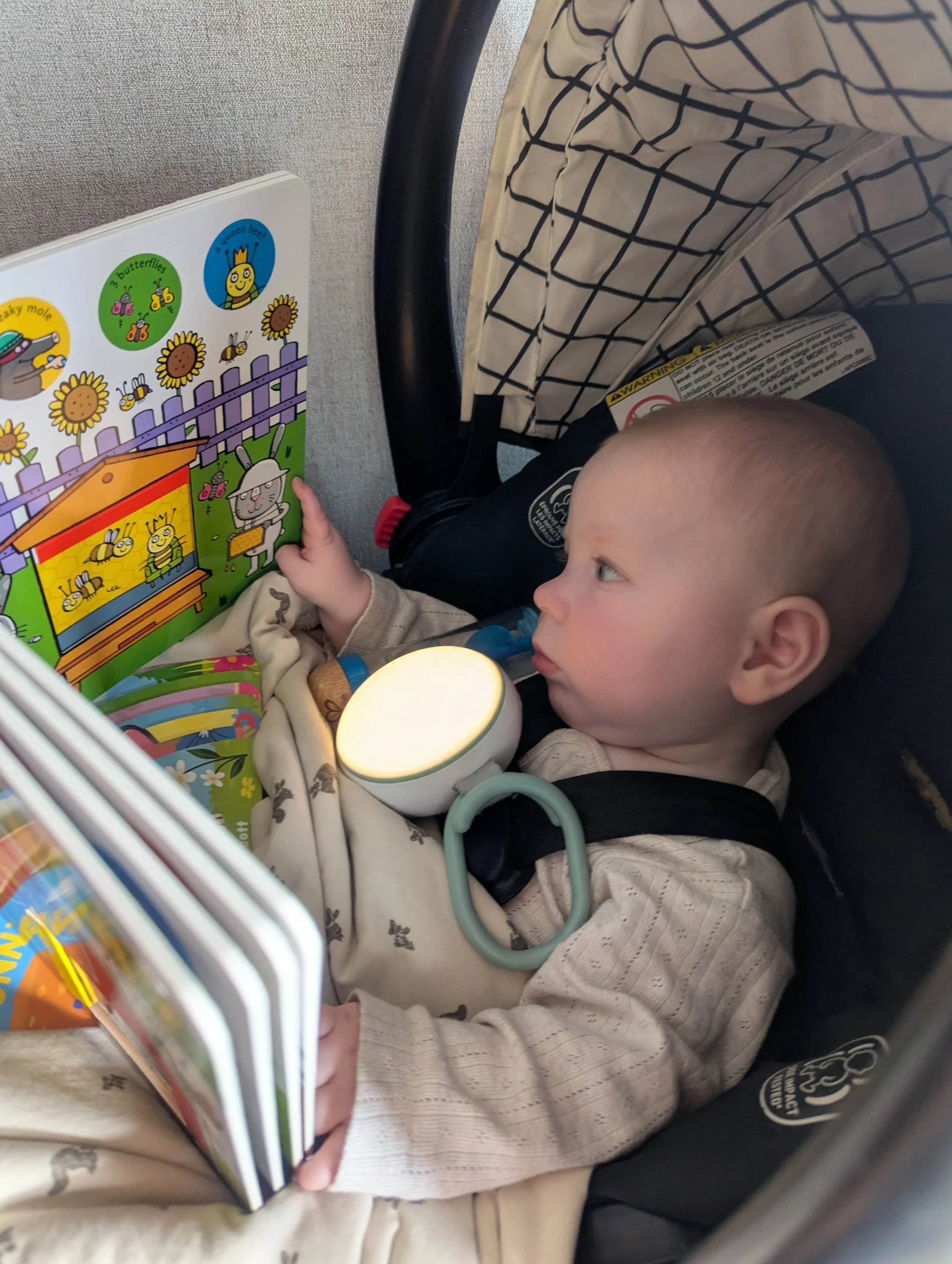
Like every parent, we packed a whole collection of toys. Some were a hit. Some barely got touched. The biggest surprise? Books.
I spent a lot of time sitting beside Parker in the back of the camper van, holding books up and turning the pages while we drove. He absolutely loved it. In fact, we ended up buying more books during the trip because they worked so well.
Another unexpected favourite was our portable baby speaker. Instead of listening to nursery songs all day, we could enjoy our own podcast or audiobook while Parker listened to his favourite music through the speaker. It made the long driving days much more enjoyable for everyone.
💡 Little Parker Tip: Don't underestimate books in the car. Reading together from the back seat became one of our best ways to reset Parker when he started getting restless.
Knowing When It Was Time to Stop
By the third day, we could tell exactly when Parker had reached his limit. At first he'd get a little fussy. We'd hand him a new toy. That would buy us a little more time. Eventually, though, nothing worked anymore. No new toy. No singing. No books. Just crying. That was our signal. He didn't need another distraction. He needed out of the car seat.
As soon as we stopped, changed his diaper, gave him a feed, and let him stretch his legs, he was a completely different baby. Sometimes the best solution isn't finding another activity. It's accepting that it's time for a break.
Our Favourite Daily Rhythm
By the end of the trip, we'd accidentally created a routine that worked almost perfectly.
Morning
Breakfast
Start driving during Parker's long nap
Midday
Attraction or scenic stop
Lunch
Feed
Diaper change
Time to crawl and explore
Afternoon
Two shorter driving sessions with quick breaks
By planning around Parker instead of trying to fit him into our schedule, everyone enjoyed the trip more.
Things We'd Pack Differently Next Time
Every road trip teaches you something. For us... it was clothes. We packed far too many. Because we had access to laundry, we kept washing the same favourites over and over again.
Next time, we'd happily pack fewer outfits and save the space for things we actually reached for every day. One thing we'd bring more of? Books. We honestly underestimated how useful they'd become.
Another item that earned a permanent place on future trips was our portable baby speaker. It was one of those purchases we didn't think much about beforehand, but ended up using every single day.
Travelling With Grandparents
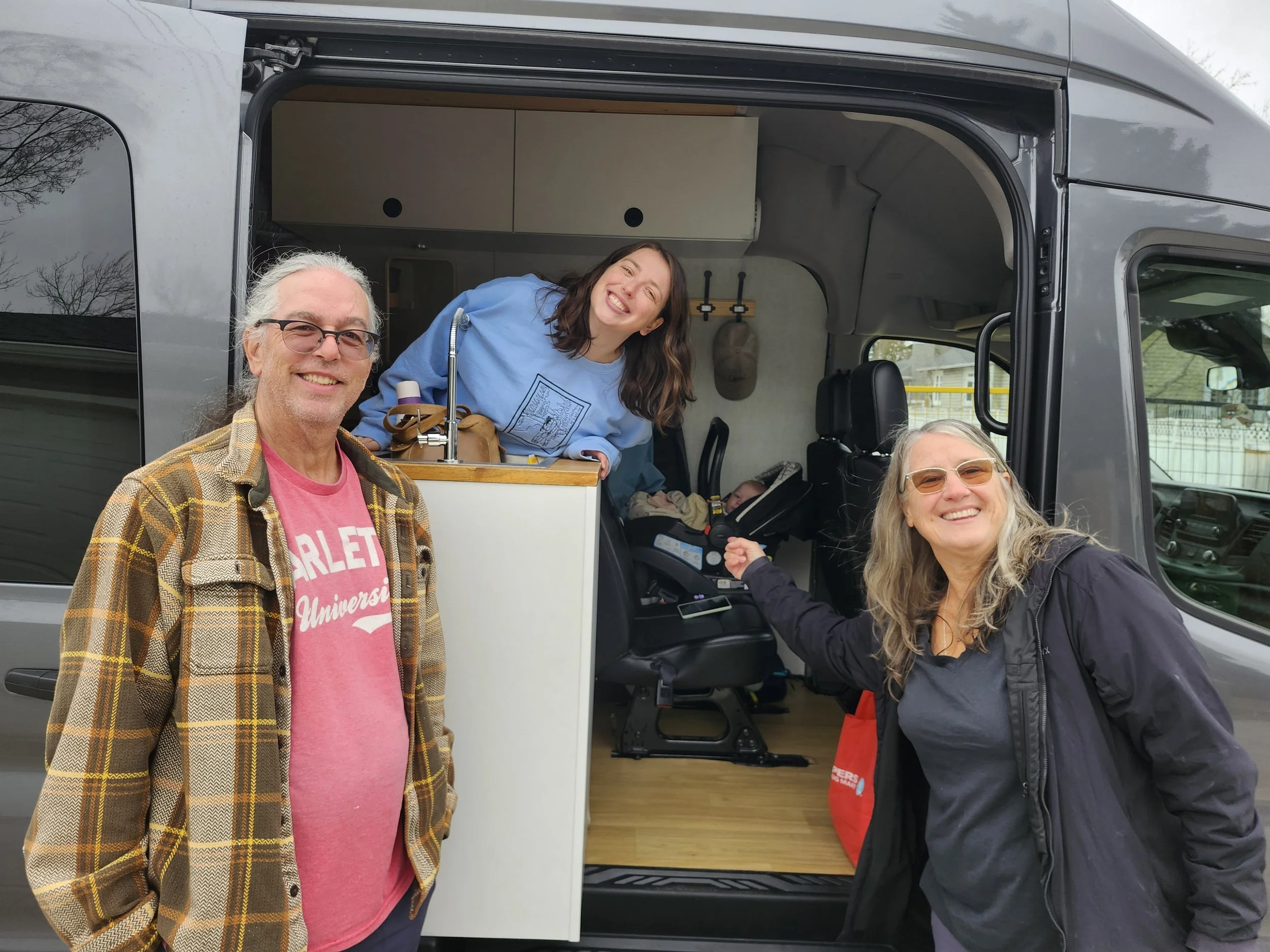
One of the biggest reasons we chose this trip was to spend time with my parents. Watching Parker experience new places with his grandparents made the whole adventure even more special.
At the same time, travelling with grandparents taught us something important. When everyone is sharing one small space, you're not just thinking about your own sleep anymore. I found myself worrying every time Parker stirred during the night because I didn't want to wake my parents.
Ironically, separating our sleeping spaces didn't make the trip feel less connected. It made everyone happier. We still spent the entire day together exploring, eating, and making memories. Then everyone got a good night's sleep.
💡 Little Parker Tip: If you're travelling with grandparents or friends, don't be afraid to sleep separately if it means everyone rests better. You'll enjoy your days together so much more.
Would We Do It Again?
Absolutely. Would we do everything the same way? Not a chance.
We'd accept the five-hour driving limit much sooner. We'd pack fewer clothes. We'd bring even more books. And we'd be much quicker to adjust the plan if something wasn't working.
The biggest lesson from this trip wasn't about camper vans or road trips. It was about flexibility. Sometimes the best family adventures aren't the ones that go exactly as planned. They're the ones where you're willing to change the plan when your family needs something different.
